
CBT Made Simple: How Cognitive Therapy Can Help You Thrive
Written By: Kevin Bertch, Marriage and Family Therapist Trainee
Supervised By: Elle Hennessee, Licensed Marriage and Family Therapist #126090
Life can feel overwhelming at times. Stress, negative thoughts, and unhelpful patterns can make everyday challenges feel even harder. Cognitive Behavioral Therapy (CBT) is a widely researched, practical approach that helps people understand how thoughts, feelings, and behaviors are connected, and it teaches strategies to bring positive change.
CBT has been shown to help with a variety of mental health concerns, including anxiety, depression, Post Traumatic Stress Disorder (PTSD), obsessive-compulsive disorder (OCD), and stress management.
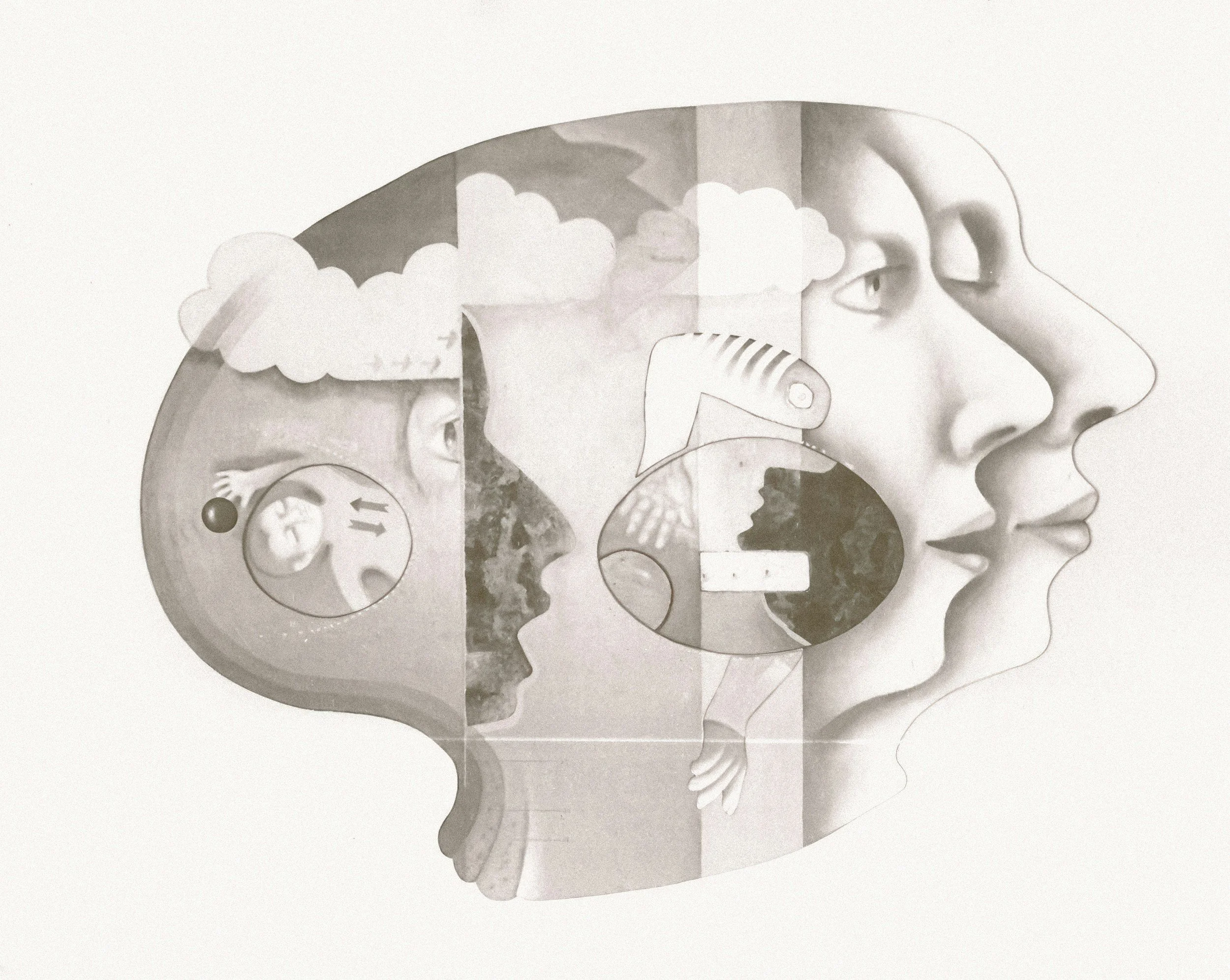
The Basics of CBT
At its core, CBT is based on the idea that our thoughts, feelings, and behaviors are interconnected. By changing unhelpful thoughts and behaviors, we can reduce emotional distress and improve how we respond to challenging situations.
Therapist Role
CBT is collaborative and goal-oriented. It typically involves working with a therapist to build the skills to identify unhelpful thought and behavior patterns, and work with the client to create healthier alternatives. CBT therapists often assign homework, provide relevant psychoeducation, and use multiple metrics to ensure progress is being made towards the client’s goals.
Unlike other kinds of therapy, which address current problems by looking at the past, CBT focuses on the present and equips people with tools they can use right away.
CBT in Practice
CBT often includes:
Identifying negative thought patterns: People learn to recognize thoughts that are distorted or overly critical, such as catastrophizing (“I’ll fail at everything”) or black-and-white thinking (“I’m either perfect or a failure”).
Challenging unhelpful thoughts: Once these thoughts are identified, the therapist guides the person in questioning their accuracy and considering alternative perspectives. For example, replacing “I can’t do this” with “I can try, and I’ve handled similar challenges before.”
Behavioral experiments: CBT encourages taking small, deliberate actions to test assumptions and practice new ways of thinking. This could include gradually facing a feared situation or trying a new coping strategy.
Developing coping skills: People learn practical tools for managing stress, reducing anxiety, and regulating emotions, including relaxation techniques, problem-solving, and structured goal-setting.
Therapy sessions are structured, often including homework or exercises between sessions to practice skills in real life. This makes CBT highly practical and results-oriented.
Using CBT Skills in Daily Life
Even outside of therapy, CBT tools can be applied in everyday situations:
Notice unhelpful thoughts: Pay attention to negative self-talk and write it down.
Challenge your thinking: Ask yourself if your thoughts are based on facts or assumptions.
Practice gradual exposure: Face fears step by step to reduce anxiety over time.
Use coping strategies: Incorporate relaxation techniques, structured problem-solving, or grounding exercises.
Working with a CBT therapist can help sharpen these skills and target blind spots in a person’s thinking patterns. The key is consistency. Like any skill, CBT tools become more effective the more you practice them.
Why CBT Is Effective
Research shows that CBT can:
Reduce symptoms of anxiety and depression
Improve coping skills and resilience
Increase self-awareness and emotional regulation
Help people break unhelpful cycles of thinking and behavior
CBT works because it doesn’t just focus on feelings — it provides actionable strategies for changing thought patterns and behaviors, which in turn positively impacts emotions. Over time, these new skills can create lasting improvements in mental health.
Moving Forward
Cognitive Behavioral Therapy isn’t just about “thinking positively” — it’s about understanding your mind, learning practical strategies, and taking intentional steps to improve your mental health. By identifying and challenging unhelpful patterns, you can develop skills to cope with and reduce stress, navigate challenges, and build a more balanced, fulfilling life.
At Insightful Matters, our mission is to provide compassionate and effective mental health services tailored to your unique needs. Our dedicated team is here to support you every step of the way. We believe in empowering you to achieve emotional well-being and live a fulfilling life. If you're ready to take the next step towards better mental health, contact us today to schedule your first session. Let's embark on this journey together and discover the insights that matter most to you.